The Role of Urban Design in Community Building
Exploring how the physical layout of our cities shapes the social fabric of our lives.
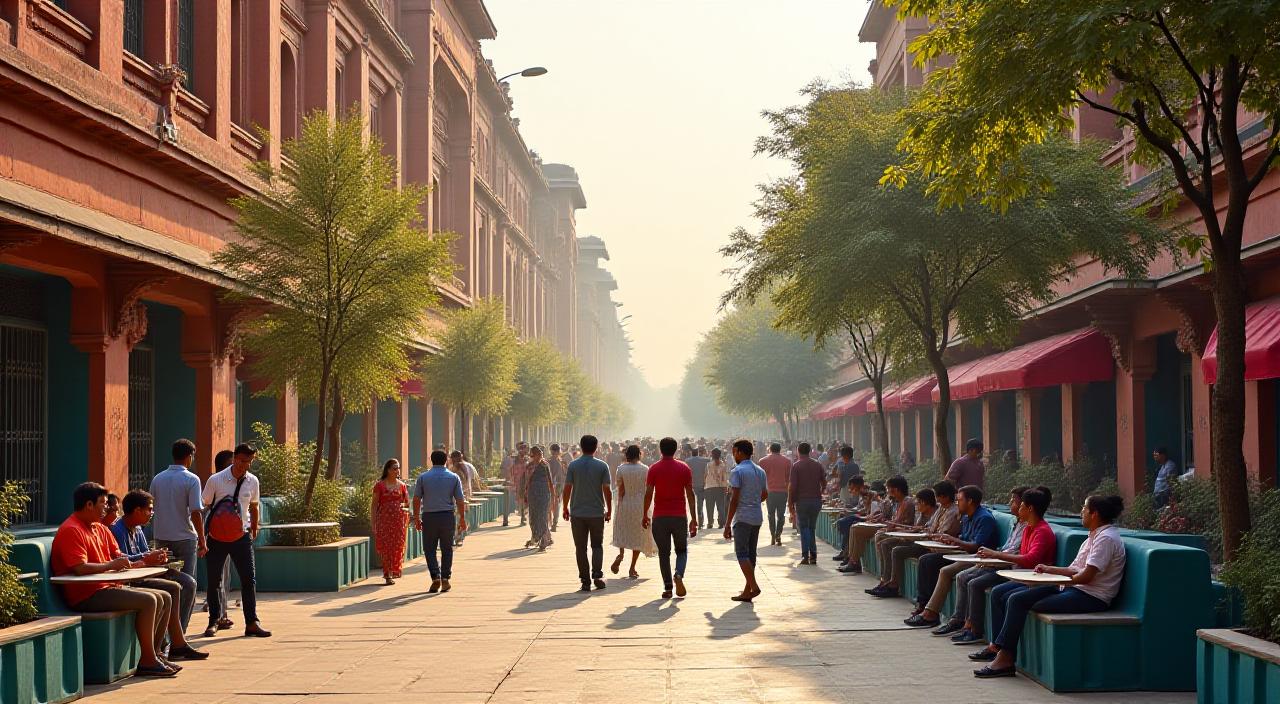
Introduction: Spaces Dictate Interaction
Architecture is often viewed as the art of making buildings, but urban design is the art of making the spaces between them. These spaces—our streets, squares, and parks—are where community happens. When we design for cars, we create isolation. When we design for people, we create a sense of belonging and safety that transcends brick and mortar.
Placemaking in Crowded Urban Centers
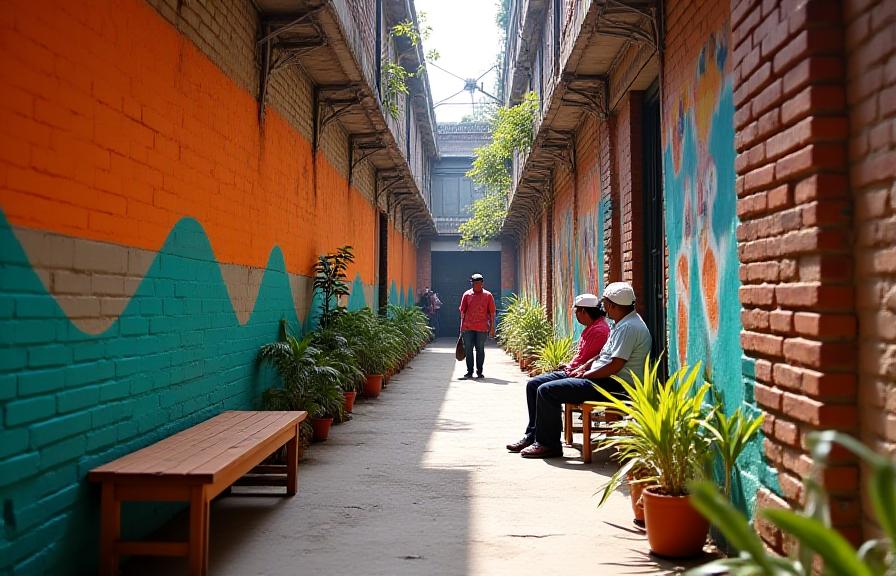
In a dense metropolis like Delhi, 'Placemaking' becomes a vital tool. It isn't just about landscaping; it's about listening to the local heartbeat. By transforming a neglected alleyway into a vibrant mural-lined corridor with seating, we invite neighbors to pause, talk, and claim ownership of their environment.
The Vitality of Pedestrian-Friendly Zones
Walking is a democratic act. Pedestrian-friendly zones serve as social levelers where the city's diversity is on full display. Wider sidewalks and reduced traffic speed don't just improve safety; they foster 'spontaneous encounters'—the brief greetings and shared moments that build social capital over time.
"A great city is not where even the poor have cars, but where the rich use public transportation and walk together." — Inspired by Enrique Peñalosa
Real-World Example: Our Intervention in Delhi
Recently, the Architexture Hub team collaborated with residents in a North Delhi neighborhood to reclaim a cluttered intersection. By introducing tactical urbanism—using paint and portable planters—we widened the pedestrian crossing and created a small 'pocket park'. The results were immediate: traffic calmed, and elderly residents had a place to rest during their evening walks.
Conclusion: Reclaiming Urban Spaces
Urban design is a collective responsibility. As citizens, we must demand spaces that prioritize human dignity and social connectivity. By reclaiming our streets, we aren't just improving the view; we are building stronger, more resilient communities.